
Starting kindergarten can be overwhelming for kids – and parents. If your child is entering kindergarten, never fear, kids start kindergarten at varying degrees of readiness. It will all be O.K. The only real requirement is that your child needs to be potty trained. Everything else will just make their lives, and their teachers’ lives, easier.
You can find many lists of what your kindergartener needs to know in regards to independence, but there aren’t many guides on what your child should know in order to be ready to learn to read. Again, they don’t NEED to have mastered specific literacy skills, however, the curriculum in kindergarten is far more advanced, and moves at a faster pace, than when you or I went to kindergarten.
Having some literacy and academic readiness will only help your child. They learn more, and move at a faster pace than their parents probably did. When my son started kindergarten, his teacher explained to parents that the expectations for today’s kindergarteners are what we all were expected to know in first grade. Gone are the days of playtime and naps. The better prepared they are, the easier kindergarten will feel.
Basic Literacy Skills for Kindergarteners
If your child already knows all of the beginning reading skills listed below, congratulations! They are more advanced than probably one-third of their classmates. If not, you still have plenty of time to work on the basics. If your child is currently in kindergarten, these are skills they are working on, and expected to master.
But again, don’t stress. There will be kids who enter kindergarten that don’t speak English. There will be kids who enter kindergarten who don’t know any numbers or letters. There will be kids who enter kindergarten who have never had a story read to them. There will be kids who have never had to line up or sit quietly for an extended period. There will also be kids who enter kindergarten who can read entire early reader books independently. Kindergarten teachers are magicians who are skilled at supporting all students’ needs.
These are some of the basic literacy skills that will help reduce your child’s frustration.
Disclaimer: As an Amazon Associate I earn from qualifying purchases. However, I only recommend products that I use and love.
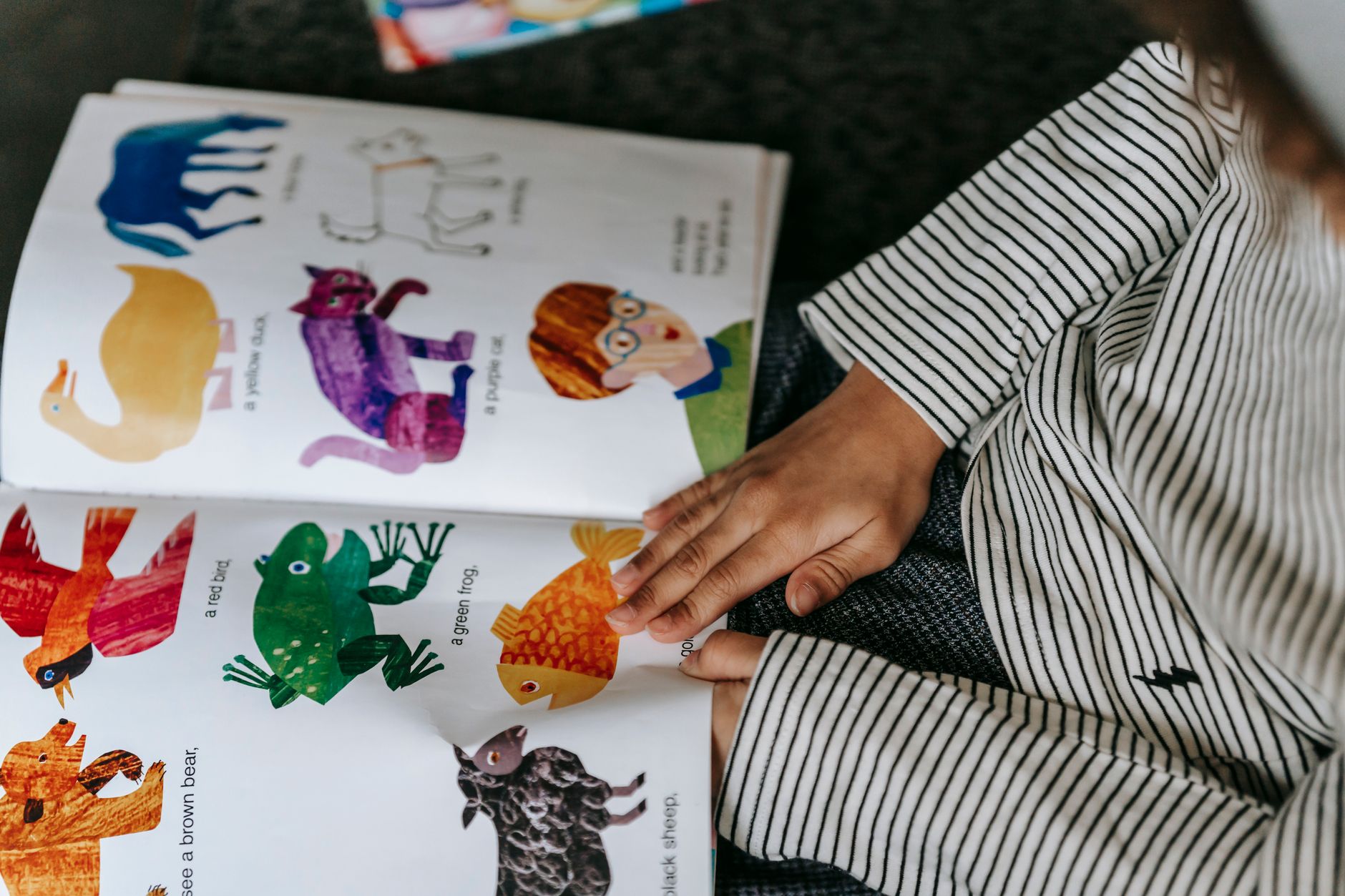
- Can your child hold a book properly, and do they know to turn the pages from left to right? They probably do if you have ever read them books. If you’ve only used e-readers, audio books, or haven’t spent a lot of time reading at home, now is the time to show them how to handle a book.
- Do they have basic vocabulary skills? If your child is a native English speaker, or is able to speak English, they likely have the basic vocabulary skills necessary. They know what up, down, under, and next mean. They see a cat, and know that it is a cat. Having basic vocabulary skills helps with reading because it gives meaning to the words they are reading.
- Does your child have phonemic awareness? Do they recognize the 26 letters of the alphabet, and know their primary sounds? Do they know both the capital and lower case letters? If not, you can start preparing them now. When my son was in preschool, he had a really long alphabet train puzzle that he would put together. He knew the alphabet so well after putting it together a few hundred times! If you don’t have room for a large floor puzzle, you can check out the letter sound cards in my store, or make your own.
- Can your child listen to a story, or tell a story? Having narrative skills early on is tied to comprehension later on.

Having these literacy skills at the beginning of kindergarten can greatly help your child as they move on to letter sounds, blending, phonemic awareness, and reading decodable texts.
And as a bonus kindergarten parent tip, here are two other critical skills that will be helpful for them to know: taking off/putting on their jacket, and opening their lunch containers and water bottles. If they don’t know how to do these, someone will most definitely help them, but they will have to wait their turn.





Leave a Reply